



 Best Seller



1988–1994 Audi V8 Service and Repair Manual PDF
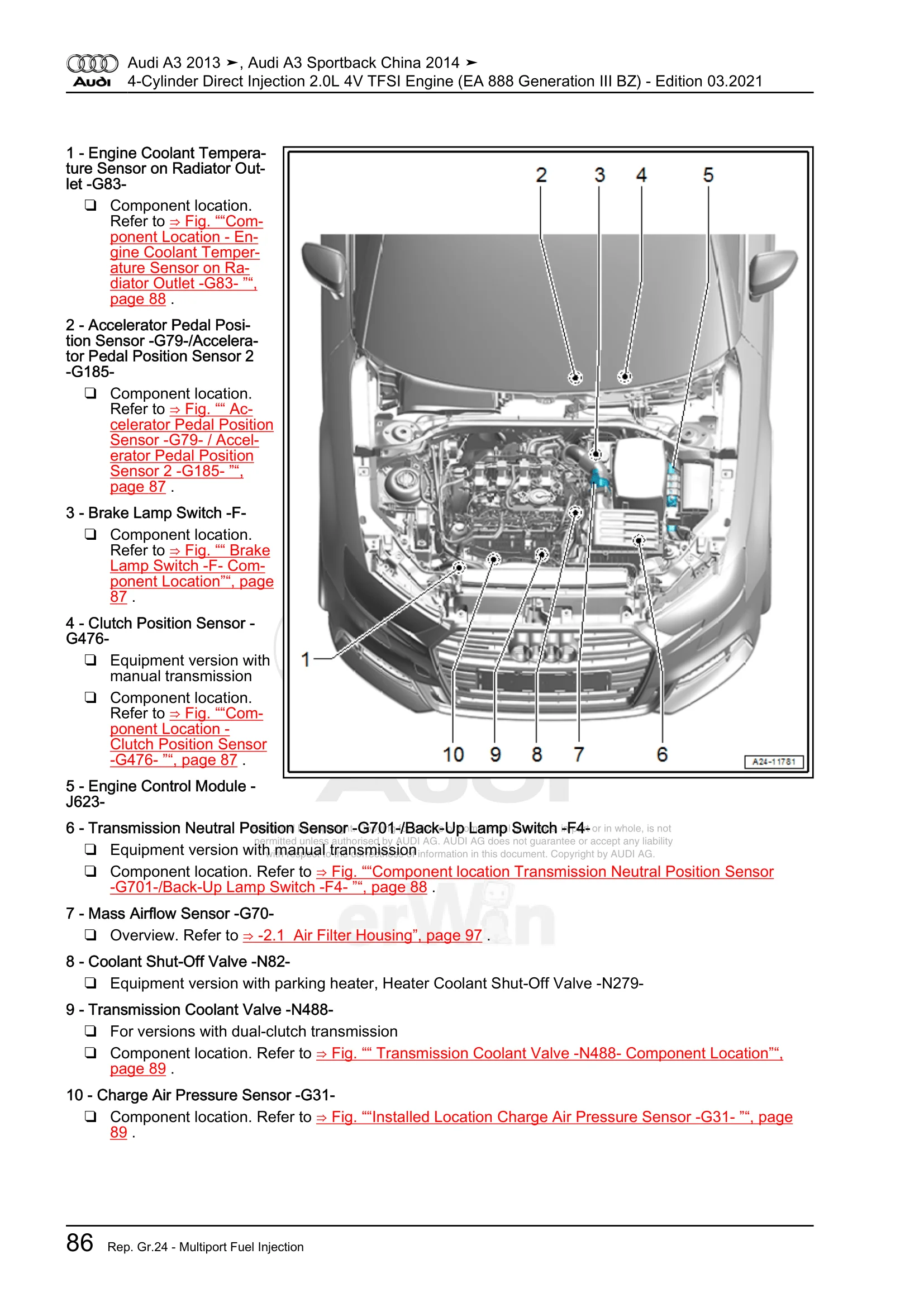
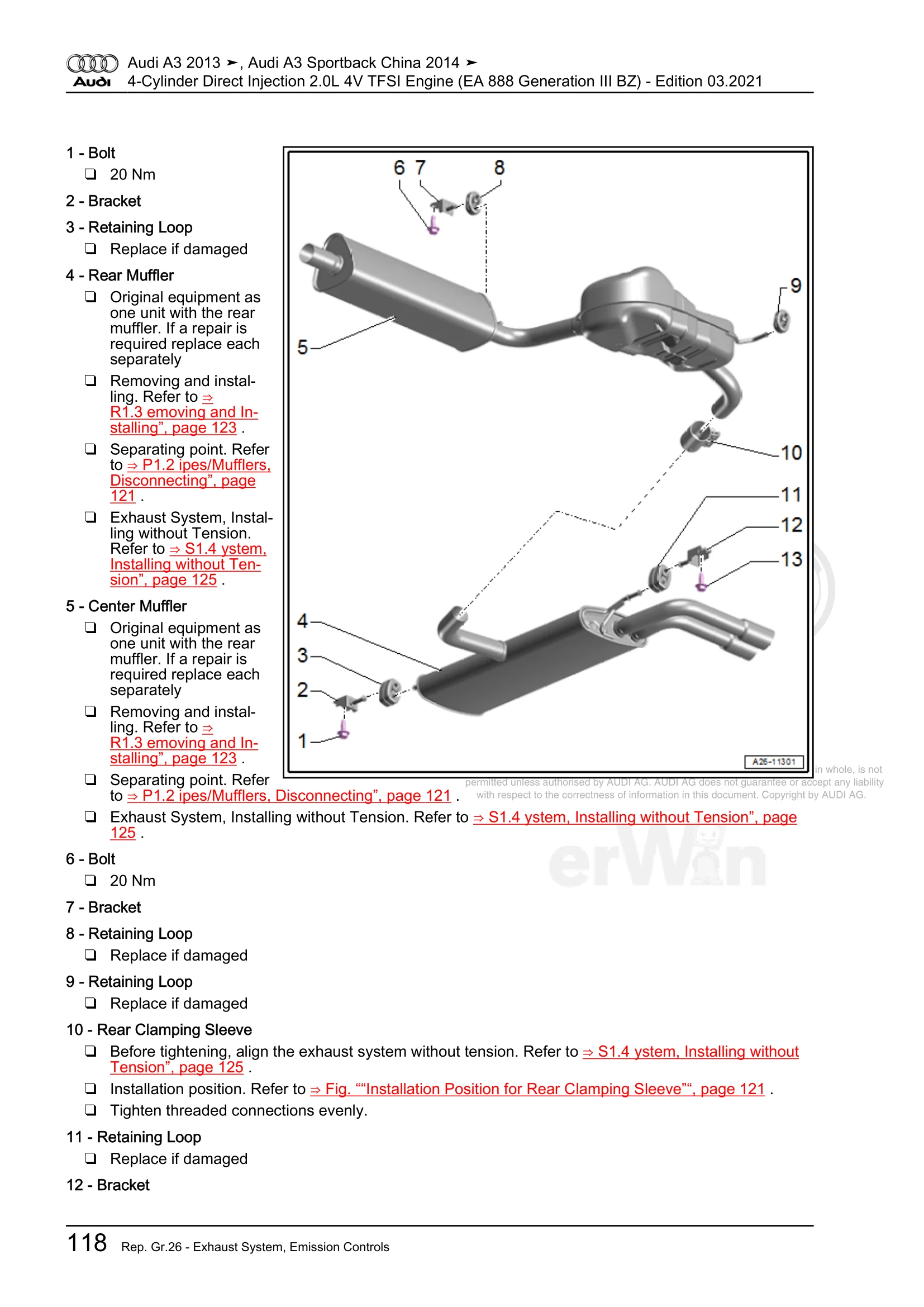
Workshop manual set for the classic Audi V8 (Typ 4C / D11, 1988–1994) — Audi’s first V8 flagship and DTM champion. Covers the 3.6 and 4.2 all-aluminium engines, their timing chains, the Torsen quattro drivetrain, and the Pentosin central hydraulics — on a rare car where specialist knowledge is scarce. Download link sent within 24 hours of payment.
 You will get Download Link within 24 hours
 Secure Payment, Easy Download, 24/7 Support


Description
Audi V8 (Typ 4C / D11) Service and Repair Manual — 1988 to 1994
The Audi V8 is the car that took Audi into the world of Mercedes and BMW’s flagships — the company’s first V8, its first automatic-with-quattro, and the machine that won back-to-back DTM titles in 1990 and 1991. It is also genuinely rare: around 21,500 were ever built, and only a couple of thousand survive.
That rarity is the whole story from a maintenance point of view. Parts are specialist and expensive. The systems are unlike anything else. And the number of technicians who understand this car is small and shrinking. Documentation is not a convenience here — it is often the only way the job gets done correctly.
What the Audi V8 is
Built from 1988 to 1994 under the type codes 4C and D11, the V8 is a full-size luxury saloon based on a stretched version of the C3 platform it shares with the Audi 100 and 200 — but re-engineered around Audi’s first eight-cylinder engine. It has a fully galvanised body, which is why survivors tend to be structurally sound even when neglected.
A rare long-wheelbase V8 L was built in tiny numbers (just 271), and there was even a one-off Avant. The car was replaced by the A8 in 1994.
The V8’s quattro is mechanical and permanent, but it works differently depending on gearbox: automatic cars use a hydraulically controlled multi-plate clutch to apportion drive, while manual cars use a Torsen type-1 centre differential. The rear final drive is a Torsen unit too, not a plain open differential. There is no Haldex anywhere — this is a mechanical all-wheel-drive system through and through.
Engines covered
| Engine | Engine codes | Output | Notes |
|---|---|---|---|
| 3.6 V8 32v DOHC | PT, WAP | 250 PS | The original all-aluminium V8 |
| 4.2 V8 32v DOHC | ABH | 280 PS | From 1991 — same unit as the Ur-S4 |
Both are all-aluminium, 32-valve, quad-cam engines running Bosch Motronic engine management with bank-selective knock control. They are sophisticated for their era and demanding to service correctly.
One detail worth knowing: the 4.2 (engine code ABH) is the same V8 fitted to the Ur-S4, which occasionally helps with parts cross-referencing on an otherwise parts-starved car. The documentation notes where that overlap is real and where it is not.
The V8 timing — chains, not a belt
Unlike most Audis of the era, these V8 engines are chain-driven — and the timing arrangement is complex, with chains and the associated guides and tensioners that wear with age and mileage. A rattle on start-up is the classic warning, and on an engine this rare and this expensive to rebuild, catching it early is everything.
The chain layout, the tensioners, the wear limits and the full timing procedure are documented. This is not an engine to approach hopefully with a generic guide.
Transmissions and quattro
ZF 4HP24A four-speed automatic — the standard gearbox, electronically controlled, with the hydraulic multi-plate clutch that handles the quattro torque split on automatic cars. Fluid procedure, solenoid diagnosis and the adaptation approach.
Five-speed and later six-speed manual — the rarer manual cars, with the Torsen type-1 centre differential. Clutch, linkage and fluid.
Torsen differentials — the centre (manual cars) and the rear final drive, both torque-sensing. Operation, inspection and fluid. No pump, no controller, no filter.
The central hydraulic and brake system
Like other luxury Audis of the period, the V8 uses a Pentosin-based central hydraulic system that must take the correct mineral fluid — not brake fluid, not ordinary power steering fluid. The wrong fluid destroys the seals throughout the system, and on a car with parts this scarce that is a serious problem.
The pump, the pressure system, the brake servo and the correct fluid specification are all covered. Front brake parts in particular are expensive and specialist on this car, so getting the hydraulic side right first matters.
Electrical and diagnostics
Full wiring diagrams, connector views and pinouts, the Bosch Motronic engine management, the climate control system, the many luxury-feature circuits, immobiliser where fitted, and fault code tables.
This is a pre-OBD-II car. Diagnosis is done with a multimeter, the wiring diagrams and the era-correct procedure — not a modern scan tool, which will tell you nothing.
Known Audi V8 issues you will be looking up
- Timing chain wear — start-up rattle from worn chains, guides or tensioners. The defining V8 engine concern, and expensive if ignored.
- Bosch Motronic running faults — poor idle, hesitation and cold-start issues traced to the management system and its sensors.
- Central hydraulic system — heavy steering, hard brake pedal or leaks. Pump, accumulator and the correct Pentosin fluid.
- Automatic gearbox harshness — the ZF 4HP24A and its solenoids, and the adaptation before any strip-down.
- Instrument and climate control faults — the era’s electronics, and reading the internal fault information.
- Wiring loom degradation — decades-old insulation cracking, particularly in the engine bay.
- Front brake cost and service — the specialist, expensive front setup and its correct service.
- Parts scarcity and cross-referencing — including the genuine 4.2/Ur-S4 engine overlap and where it helps.
- Cooling system — the V8’s cooling, water pump and thermostat, and overheating diagnosis.
- Fuel system and consumption — the car’s known thirst, and ensuring it is not made worse by a fault.
What’s inside this manual set
- Engine — the 3.6 and 4.2 V8, removal, overhaul, timing chains, torque specifications
- Fuel and ignition — Bosch Motronic management
- Cooling and lubrication
- Transmission — ZF automatic, manual and the Torsen differentials
- Clutch, driveshafts and final drives
- Brakes and the central hydraulic system
- Suspension and steering, with alignment data
- Body — panel repair, body dimensions, trim removal
- Heating, ventilation and air conditioning
- Electrical — full wiring diagrams, connector views, pinouts
- Diagnostics and fault-finding for pre-OBD systems
- Maintenance schedules and service procedures
Format and delivery
Supplied as a set of searchable PDF files covering the Audi V8 across its full 1988–1994 run, both the 3.6 and 4.2 engines and both automatic and manual cars. Readable and printable on any device: laptop, tablet, phone, or the workshop PC. No software to install, and no internet connection needed once the files are saved — which matters on a car you may be nursing back to life over months.
Select your year at checkout. After payment, your download link is sent within 24 hours.
Frequently asked questions
My V8 rattles on cold start. Is that serious?
It can be. That is the classic symptom of worn timing chains, guides or tensioners on these engines — and on a car this rare, rebuilding the top end is expensive. Catching it early is everything. The chain layout, wear limits and procedure are covered.
Is the 4.2 really the same engine as the Ur-S4?
Yes — the 4.2 (engine code ABH) is the same V8 as the one fitted to the Ur-S4, which occasionally helps when sourcing parts on an otherwise parts-starved car. The documentation notes where that overlap genuinely applies.
What fluid does the hydraulic system take?
Pentosin mineral hydraulic fluid — not brake fluid and not conventional power steering fluid. The wrong fluid destroys the seals throughout the system, which is an expensive mistake on a car with parts this scarce. The correct specification is given.
Does the V8 quattro use a Haldex?
No. It is a mechanical system — a hydraulic multi-plate clutch on automatic cars, a Torsen centre differential on manuals, and a Torsen rear final drive. There is no Haldex, no pump and no filter.
Does it cover both the 3.6 and the 4.2?
Yes, and both automatic and manual cars. The engines share much but differ in important detail, and the documentation keeps them distinct.
Can I use a modern OBD scanner?
No. This is a pre-OBD-II car, diagnosed with a multimeter and the wiring diagrams. The documentation is written for that approach.
Are parts still available?
Some are, through specialists, and the 4.2 engine’s overlap with the Ur-S4 helps on that front. Many parts are scarce and expensive, though, which is exactly why doing the diagnosis correctly the first time matters so much on this car.
Additional information
| Model year | 1988, 1989, 1990, 1991, 1992, 1993, 1994 |
|---|


Reviews
There are no reviews yet.